
A string of warm festoon bulbs can turn a bare public plaza into the heart of a city. But every glowing canopy depends on parts you rarely notice: the cables, anchors, and fittings overhead. Choosing the right outdoor catenary lighting hardware protects pedestrians, keeps your project compliant, and saves money over time. This guide walks you through planning, selecting, and installing a safe suspension system. You will also learn what to look for in a supplier, so you can order with confidence.
Why Plazas Demand Outdoor Catenary Lighting Hardware
Public plazas differ from backyards. Crowds gather beneath your lights, wind sweeps across open space, and rain, salt, and sun attack every component. A failed fitting is more than an inconvenience; it becomes a liability. Venue managers, councils, and event planners need hardware that carries its load with a wide safety margin and lasts through many seasons.
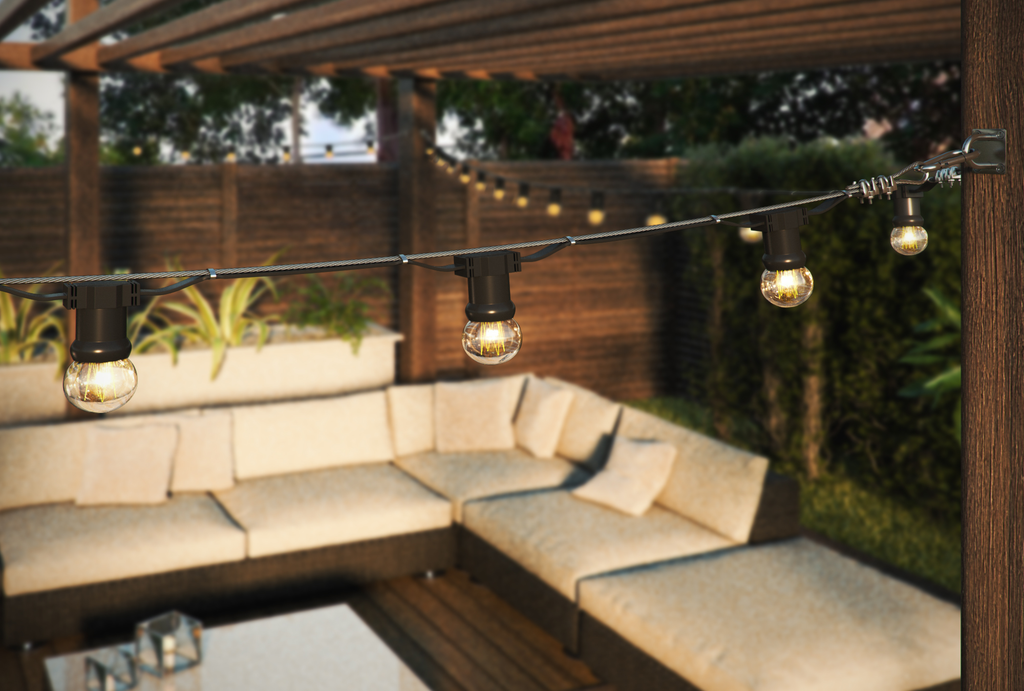
A catenary system solves this problem. A tensioned steel cable carries the full weight, while the festoon cable simply hangs from it. The bulbs never bear structural load, so the wiring stays protected and the spacing stays even. Planners also gain flexibility, because one wire can span a plaza without a forest of poles. Reliable lighting also draws evening foot traffic, which supports nearby shops and cafes.
What a Complete Suspension System Includes
Each span is made up of only a small set of the major parts, including:
- Anchor points: Poles, building facades, or purpose-built posts that resist pull-out forces.
- Eyebolts and wall plates: These elements bear the transfer from the cable load to the structure.
- Turnbuckles and tensioners: These two pieces of hardware allow you to set and fine-tune the tension in the cables.
- End Fittings: To keep your cable secure under tension, finish each end with a thimble and wire rope clips, or use a swage fitting for a clean, permanent result.
- Catenary wire: This is essentially the main load-bearing cable.
- Festoon clips: These clips fix the lighting cable onto the wire in such ways that they are uniformly spaced.
These parts can be individually purchased for custom jobs. However, catenary wire lighting kits bundle matched components, which cuts guesswork and speeds up ordering. For standard spans, a kit puts compatible parts in one box and keeps your crew on schedule.
Why Stainless Steel Wins in Open-Air Settings
Galvanized steel rusts at cut ends and scratches. Plated hardware flakes over time. Stainless steel catenary wire resists corrosion, keeps its strength, and looks clean for years, and even in coastal areas, marine-grade 316 steel stands up well against erosion caused by salt air, which can rapidly degrade cheaper metals. However, grade 314 is quite suitable for areas farther inland.
Pick a wire construction that balances flexibility and strength. A 7×7 or 7×19 rope bends easily around thimbles. Always source outdoor catenary lighting hardware from one coordinated range, because mixed metals invite galvanic corrosion and uneven load ratings.
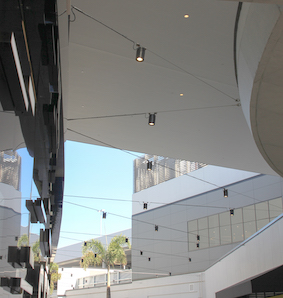
Plan the Span Before You Buy
Not sure what cable size or fittings you need? Send us your span length and project details through our catenary wire quote form, and our team will recommend the right setup for you.
Keep the System Safe Season After Season
Hardware needs regular checks. Inspect turnbuckles, clips and anchors every few months, and after big storms. Look for damage, loose nuts and any discolouration, and replace worn hardware straight away. Stainless steel catenary wire is durable and needs very little maintenance, but a quick rinse with fresh water helps remove salt and grime, especially in coastal areas.
What to Look for in a Supplier
Look for a supplier that stocks quality stainless steel, cuts cable to length, offers genuine technical advice and ships quickly. These things help keep your project on budget and on schedule.
Miami Stainless supplies stainless steel rigging and fittings for demanding outdoor projects. Browse our range of stainless steel catenary wire, or request a quote and get advice from a team that knows marine-grade stainless steel.
Conclusion
Hanging festoon lights over a public plaza takes careful planning. Choose corrosion-resistant hardware, install it with safety in mind, and check it regularly to keep everything looking good and working safely for years. Stainless steel catenary wire stands up well to harsh weather, making it a reliable choice for outdoor lighting.
Not sure what you need? Request a quote from Miami Stainless and our team will help you choose the right wire and fittings for your project.