
Have you ever had a stainless nut stop turning halfway down a bolt? It is a common frustration on job sites, in workshops and around the home. Stainless steel is strong and generally resists corrosion, but its threads can seize if they are not handled with a little care. This guide covers the basics of choosing stainless steel fasteners in Australia, using them smoothly and keeping them easy to remove later.
Why Stainless Threads Seize
Stainless steel resists corrosion thanks to a thin protective layer on its surface. When a nut is tightened, the threads rub together and create friction and heat. That protective layer can break down, and the metal surfaces may stick together. This is more likely with common grades such as 304 and 316, and it can happen when:
- Threads are dry and have no lubricant
- Nuts are tightened quickly with power tools
- Dirt or debris is inside the threads
- The bolt and nut are made from the same grade of stainless steel
Choosing the Right Stainless Steel Fasteners in Australia
A good result starts with a good product. When you compare stainless steel fasteners from Australian suppliers, look for clean, well-finished threads and clear information about the grade and standard.
Grade matters too. 304 is a popular all-round choice, while 316 is usually preferred where there is more exposure to salt and moisture. If you are unsure which option suits your project, the team at Miami Stainless can help you compare grades and finishes.
Proven Steps to Stop Galling During Installation
Simple Tips for Smoother Installation
A few easy habits can make a big difference:
- Keep it clean: Wipe dust, grit and oil from the threads before assembly.
- Use a lubricant: A stainless-rated anti-seize compound helps the threads turn smoothly.
- Take your time: Tighten slowly and avoid high-speed power tools where possible.
- Start by hand: Turn the nut a few times by hand to check it is aligned.
- Stop if it binds: Back the nut off, clean the thread and apply more lubricant before trying again.
Always follow the manufacturer’s instructions for the specific product you are using.
Coastal and Marine Environments
Salt air and moisture are tough on metal. Marine-grade bolts and nuts are usually made from 316; 316 resists corrosion better than 304, but it still needs regular rinsing and inspection in coastal conditions. Even so, they still benefit from lubricant during installation. Rinsing fasteners with fresh water from time to time helps remove salt build-up and keeps them in good condition. For coastal and outdoor projects, ask your supplier which grade suits your situation.
Blind Rivet Nuts
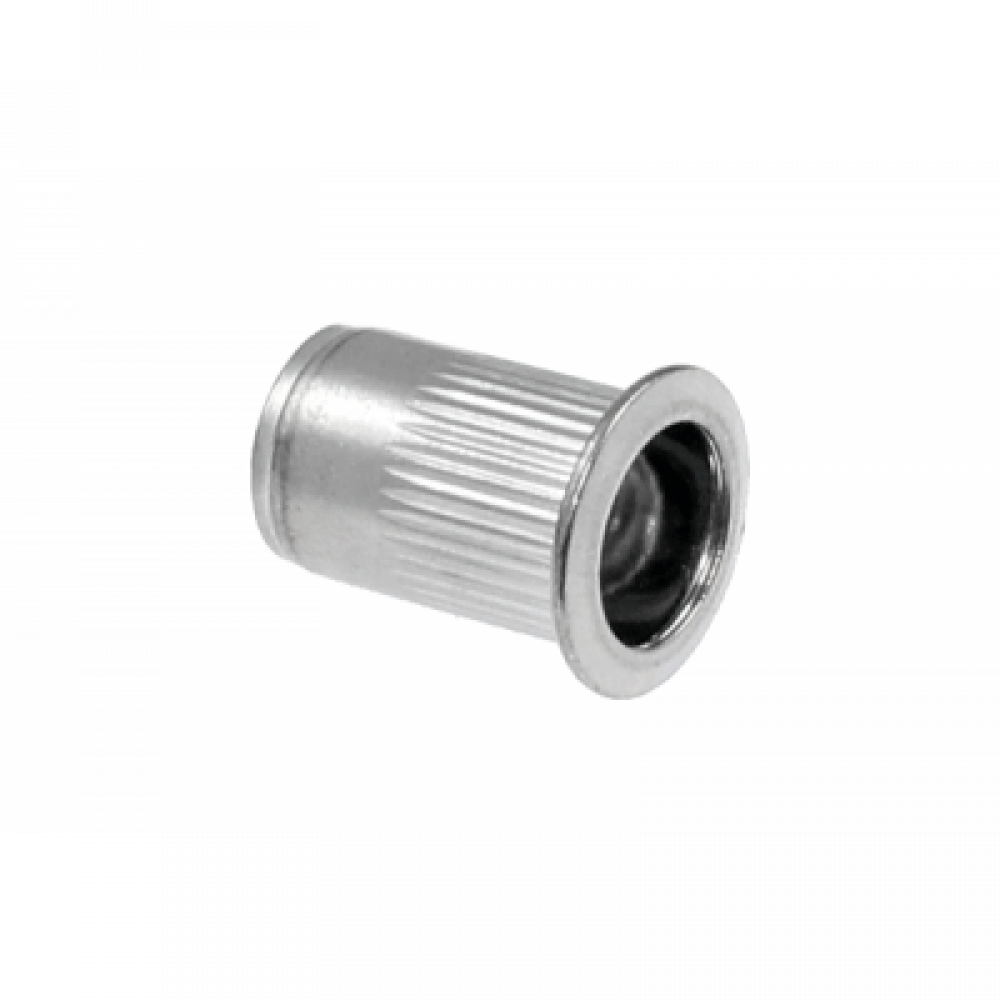
Sometimes you can only reach one side of the material, such as with thin tube, sheet panels or hollow sections. In these cases, blind nut rivets in stainless steel provide a threaded point from one side only, without welding or tapping.
Final Thoughts
A little preparation goes a long way with stainless steel. Choose the right grade, keep threads clean, use a suitable lubricant and take your time during installation. Whether you need marine-grade bolts and nuts for a coastal project or stainless steel fasteners for everyday jobs, Miami Stainless can help you find the right fit. Browse the range at miamistainless.com.au.
Please note: this article is general information only. For load-bearing, safety-critical or engineered applications, always seek advice from a qualified engineer and follow the manufacturer’s specifications.
Frequently Asked Questions
1. Why do stainless steel threads seize?
Friction and heat can damage the protective surface layer, which allows the metal surfaces to stick together as the nut is tightened.
2. Can I use anti-seize on stainless steel fasteners?
Yes. A stainless-rated anti-seize compound reduces friction and helps the threads turn smoothly. Check that the product is suitable for your application*.
3. Is 316 better than 304 for preventing galling?
316 offers better corrosion resistance, especially near the coast. Lubricant and a slow, careful installation also help prevent seizing in either grade.
4. Which marine grade bolts and nuts suit saltwater use?
Grade 316 is the usual choice for marine use. For specific conditions, ask your supplier or a qualified professional.
5. Are blind nut rivets stainless steel suitable for structural joints?
They suit many light-duty uses in thin or hollow materials. Always check the manufacturer’s specifications for your application.
Disclaimer: This article is general information only. For load-bearing, safety-critical or engineered applications, always seek advice from a qualified engineer and follow the manufacturer’s specifications.